Brand Customisation
Corporate Gift Printing in Singapore: Choosing the Right Customisation Method
Understand how product material, artwork, quantity and desired finish determine the most suitable branding method for your merchandise.
Customisation is what turns a useful product into recognisable branded merchandise. The method matters: a process that works beautifully on a cotton tote may be unsuitable for a metal bottle, curved pen or textured jacket.
For marketing and procurement teams, the right decision comes from matching the artwork, material, quantity, use case and desired finish. This guide explains the main corporate gift printing and branding methods used in Singapore so you can brief suppliers more clearly and review samples with confidence.
Choose the method after choosing the product
Start with the product and its material, then decide how the branding should appear. Flat fabric, coated metal, plastic, glass and synthetic leather respond differently to ink, heat, thread and engraving.
The usable branding area also matters. A large tote panel can carry a broad graphic, while a pen or curved bottle may require a compact logo. Ask for the actual print area before adapting the artwork.
- Product material and surface texture.
- Flat, curved, flexible or rigid branding area.
- Number of artwork colours and level of detail.
- Expected wear, washing or repeated handling.
- Order quantity and available production time.
- Preferred visual effect: bold, subtle, tactile or permanent.
Screen printing and pad printing
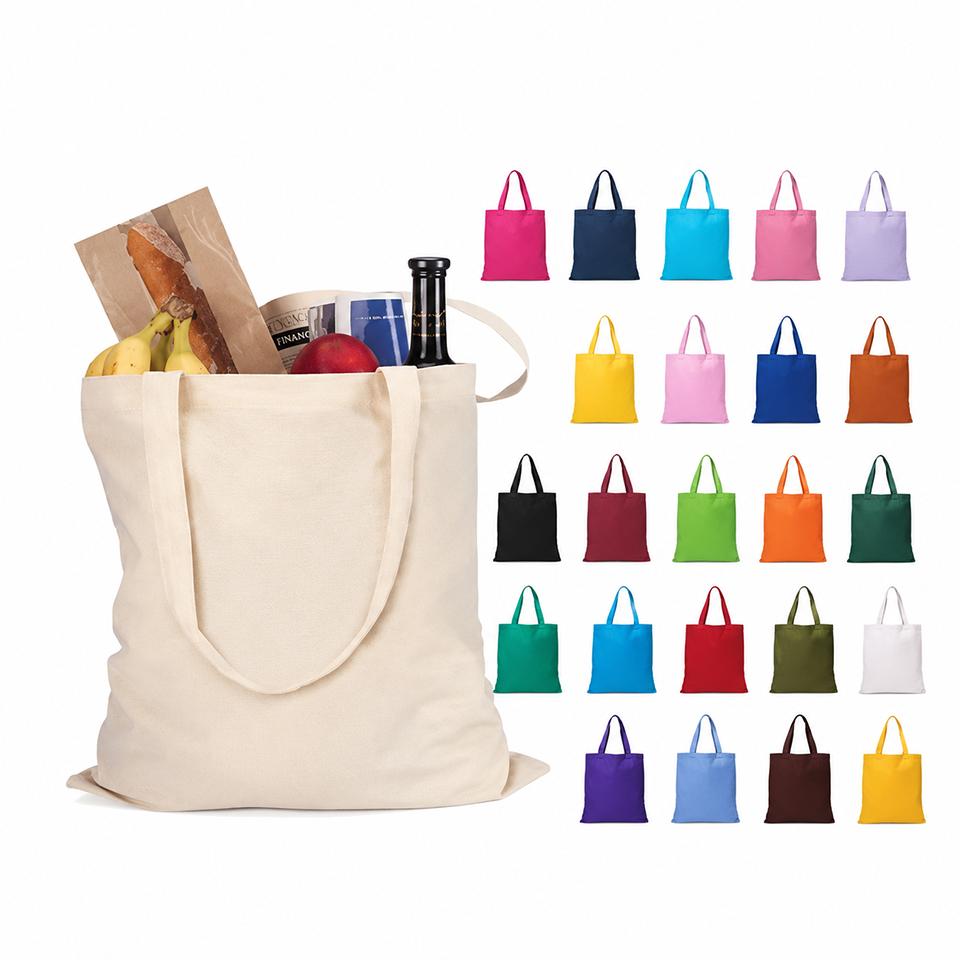
Screen printing is a practical option for clear logos and solid colours on suitable flat surfaces such as tote bags, pouches and apparel. It is especially effective when the artwork is simple and consistency across a larger order is important.
Pad printing transfers ink using a flexible pad, helping it reach smaller or slightly curved surfaces. It is often considered for items such as pens, compact accessories and selected drinkware components where a conventional flat screen is unsuitable.
Artwork with gradients, fine photographic detail or many colours may require a different process. Confirm colour limits and minimum line thickness before approval.
Heat transfer and sublimation
Heat transfer can reproduce multi-colour artwork on compatible fabric and selected coated products. It suits designs that need more colour detail than conventional screen printing, although the finish and durability depend on the material and transfer system.
Sublimation dyes compatible polyester fibres or specially coated surfaces. It can produce vivid, integrated colour without a raised print layer, but it is not a universal process for natural fabrics or every product colour.
- Confirm the product composition and coating compatibility.
- Review how the artwork colour changes on the selected base colour.
- Ask whether the decoration can tolerate the product's normal care routine.
- Use the supplier's artwork template instead of designing to the full product size.
Embroidery for a tactile, durable finish
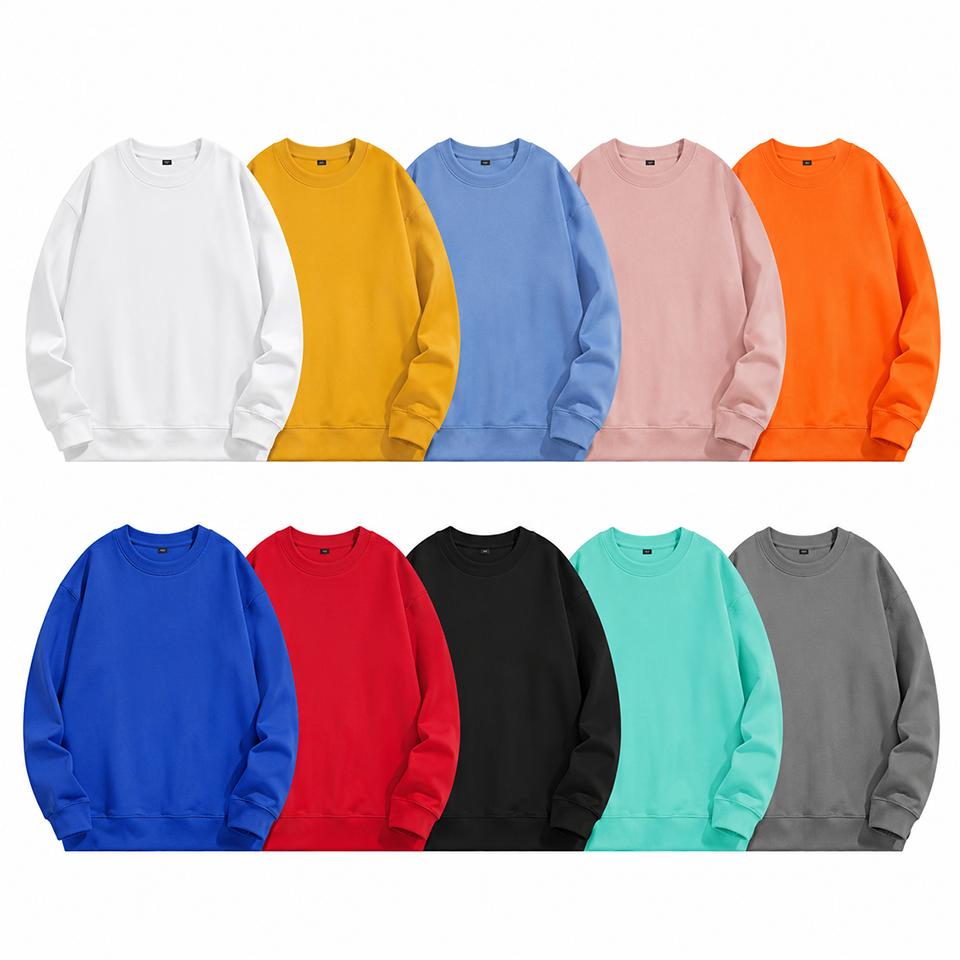
Embroidery builds the logo with thread and works well on apparel, caps and suitable fabric bags. It creates a dimensional finish that can feel more considered than a flat print, particularly for uniforms, team apparel and premium merchandise.
Very small lettering, thin lines and complex gradients may not translate cleanly into stitches. Artwork is normally digitised into an embroidery file, and the stitch count, fabric stability and backing influence the result.
Judge embroidery from a physical sample at normal viewing distance. A simplified mark is often more legible than forcing every detail of the master logo into a small area.
UV printing for detailed colour on rigid items
UV printing cures ink directly on compatible rigid surfaces and can reproduce detailed, full-colour artwork. It may suit selected bottles, power banks, notebooks, plaques and other hard goods when the surface and shape allow stable printing.
Product coatings, texture and curvature affect adhesion and registration. A supplier should confirm suitability using the exact item rather than assuming that all products with a similar material description will behave the same way.
Laser engraving for a permanent, understated mark
Laser engraving removes or alters the surface layer to create a permanent mark. It is commonly considered for compatible metal drinkware, pens, keychains, awards, wood and selected leather-like materials.
The final colour comes from the material beneath the surface or its reaction to the laser, so it will not necessarily match a brand colour. Engraving is strongest when the objective is a durable, refined mark rather than a colourful graphic.
Debossing and hot stamping for subtle presentation
Debossing presses artwork into a suitable surface to create a recessed impression. Hot stamping uses heat and a foil layer to add colour or a metallic effect. Both can work well for notebooks, organisers, leather-like goods and packaging when a restrained premium finish is preferred.
Fine detail, seams and surface padding can affect definition. Keep the mark clear and allow enough open space around letters and symbols.
Prepare artwork for production, not only for screens
A logo that looks sharp in a presentation may still need adjustment for physical production. Provide vector artwork where possible, outline fonts and specify the required brand colours. Include alternate one-colour and simplified versions when available.
- Vector AI, EPS or editable PDF artwork where possible.
- Fonts converted to outlines to prevent substitution.
- Pantone or other approved colour references.
- Minimum-size and clear-space brand rules.
- A simplified logo for small decoration areas.
- Written approval of placement, dimensions and orientation.
Approve the sample in context
Do not assess the logo in isolation. Check the decoration against the whole product: its position when held or worn, contrast against the base colour, visibility around seams and handles, and consistency with the packaging.
For repeat orders, retain the approved artwork, placement dimensions and reference sample. This creates a clearer production standard and reduces interpretation when merchandise is reordered later.
Frequently Asked Questions
Before you brief your supplier.
Which printing method is best for corporate gifts in Singapore?
There is no single best method. The suitable choice depends on the product material, surface shape, artwork detail, quantity, expected use and desired finish. Confirm compatibility using the exact product and an approved sample.
Is embroidery better than printing?
Embroidery offers a tactile, durable finish on compatible textiles, while printing can reproduce different levels of colour and detail. The better option depends on the fabric, logo complexity, branding size and intended look.
What artwork file should we provide for logo printing?
Vector AI, EPS or editable PDF files are generally the most useful. Convert fonts to outlines and include approved colour references, minimum-size guidance and a simplified one-colour logo if available.
Should we request a sample before bulk production?
Yes. A sample or production proof helps you evaluate scale, placement, colour, legibility and finish on the actual product before approving the full quantity.
Plan Your Order
Turn the brief into a practical shortlist.
Share your audience, quantity, branding requirements and required date. Mononos can help narrow the options before sampling and artwork.